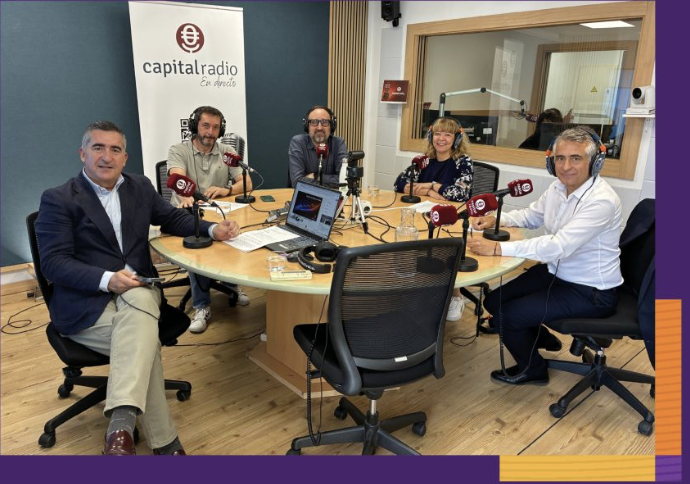



Afterwork Talent · S5 EP8 with Carlos Hinchado
An in-depth conversation on why psychological safety has become the silent driver of high performance, and what leaders can do to unlock it in their teams.
Watch the full interview on YouTubeExecutive Coach · Speaker · Author
Psychological safety: the silent competitive edge that transforms teams, accelerates innovation and retains the people who make the difference.
The context
Organisations that neglect their emotional climate lose their best people. Unwanted turnover is the symptom; a lack of psychological safety is the cause.
Technological transformation only succeeds where people can experiment, make mistakes and ask questions without fear. Without psychological safety, AI adoption stalls.
Google's Project Aristotle, the Fearless Report 2024 and more than two decades of research by Amy Edmondson confirm it: psychological safety is the No. 1 predictor of team performance.
Research
Verified data from the world’s most authoritative sources
Psychological Safety and the Critical Role of Leadership Development, 2021 — Global survey, 1,574 participants
28%
of leaders are developing the skills needed to create psychological safety in their teams.
43%
of respondents report a positive team climate — the factor with the strongest direct influence on psychological safety.
89%
of employees say being able to speak up and feel safe is essential at work.
Psychological Safety Levels the Playing Field for Employees, January 2024 — 28,000 professionals, 16 countries
3.3×
More able to reach their full potential when psychological safety is high.
2.7×
Happier at work: employees with high psychological safety.
12%→3%
Attrition risk falls from 12% to 3% when psychological safety is high.
How to Create a Culture of Psychological Safety & State of the Global Workplace 2024
$8.9T
In annual losses to the global economy from low engagement — 9% of global GDP.
−27%
Reduction in turnover when the share of employees who feel their opinions count rises from 30% to 60%.
−40%
Reduction in safety incidents with the same increase in employee voice.
Google re:Work, 2012–2015 — Analysis of more than 180 internal teams
#1
Psychological safety is the most critical factor in team success, statistically correlated with performance, collaboration and innovation.
Resilient Organizations Make Psychological Safety a Strategic Priority (2022) & HBR 2025
27,000
Healthcare workers studied during the pandemic: psychological safety significantly reduces burnout and turnover, even with limited resources.
2024 Work in America Survey: Psychological Safety in the Changing Workplace
15%
of workers say they work in an environment they consider toxic.
Research in progress · Questionnaire open until 31 December 2026
The Psychological Safety Index (ISP, from its Spanish name Índice de Seguridad Psicológica) is an open research study that draws on original data from Spain to assess whether people feel safe to speak up, ask questions, disagree or admit mistakes in their teams.
Your answers will inform keynotes, programmes and future publications on how we can work better together.
Study led by Carlos Hinchado · Navitas for Change
In collaboration with Mi Empresa es Saludable
Leave your email to receive the Psychological Safety Index findings in January 2027.
This is optional and kept separate from your answers: the questionnaire remains 100% anonymous.
The evidence
They make decisions without all the available information, because someone stayed silent.
They draw on the team’s full collective intelligence in every decision.
They repeat mistakes that people saw coming but never flagged.
They learn from mistakes before they escalate. Improvement is systematic.
They lose talented people who do not feel heard.
They build a culture that attracts talent and withstands uncertainty.
They mistake surface compliance for real alignment.
They foster the constructive debate that precedes the best decisions.
They perpetuate cultures of fear passed from one manager to the next.
They retain the people who contribute most. Commitment is visible.
Productivity
Faster execution
Better-quality decisions
+12%
productivity
Gallup — How to Create a Culture of Psychological Safety
Retention
Attrition risk falls sharply
4× better retention in under-represented groups
12%→3%
attrition risk
BCG, January 2024 — 28,000 professionals
Safety
Fewer incidents when voice matters
Safer, more resilient workplaces
−40%
safety incidents
Gallup — How to Create a Culture of Psychological Safety
About me

For more than two decades I have worked at the intersection of leadership, organisational culture and the development of high-performing teams. My career combines executive experience in corporate settings with applied research and teaching at leading institutions.
I founded Navitas for Change to help organisations build cultures where people can give their best — and where silence is no longer the safest answer.
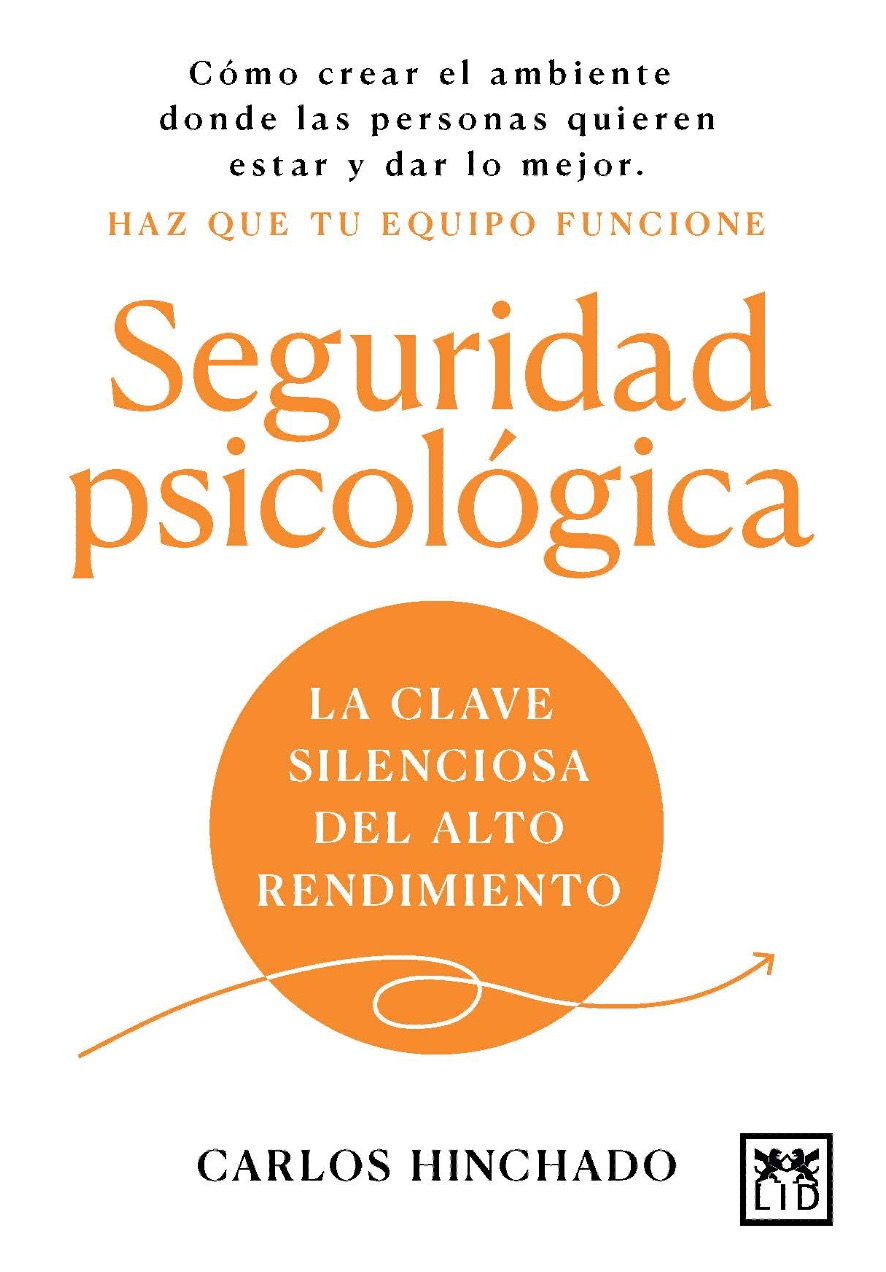
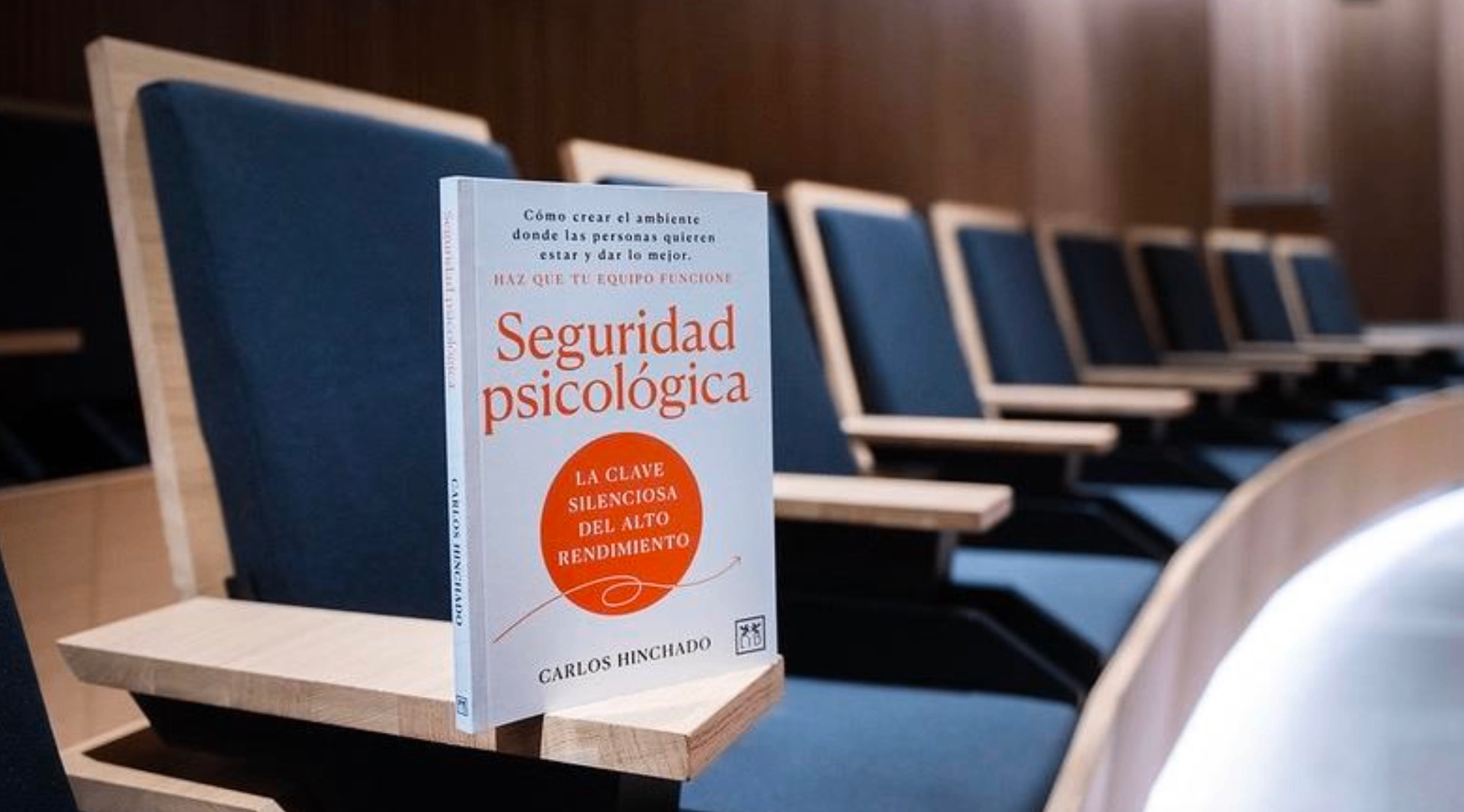
In 2025 I published Seguridad psicológica: la clave silenciosa del alto rendimiento(LID Editorial), the first book in Spanish to take a comprehensive approach to this discipline for leaders and organisations.
Managing Partner
Navitas for Change
Author
LID Editorial, 2025
Executive Coach
Certified by IE Business School
"Psychological safety does not mean being comfortable; it means feeling safe enough to have uncomfortable conversations."
— Carlos Hinchado
The problem
Based on the research of Amy Edmondson (Harvard Business School), a pioneer in the study of psychological safety in organisations.
People stop asking questions, hide gaps in their knowledge and avoid situations where they might be exposed.
Dissent disappears. Teams drift towards artificial consensus and decisions lose quality.
Nobody offers unsolicited help. Collaboration shrinks to the formal minimum and opportunities for synergy are lost.
People do not ask for feedback, admit mistakes or seek guidance. Organisational learning grinds to a halt.
On stage
My flagship keynote on psychological safety as a competitive advantage: what it is, why it matters and how leaders build it.
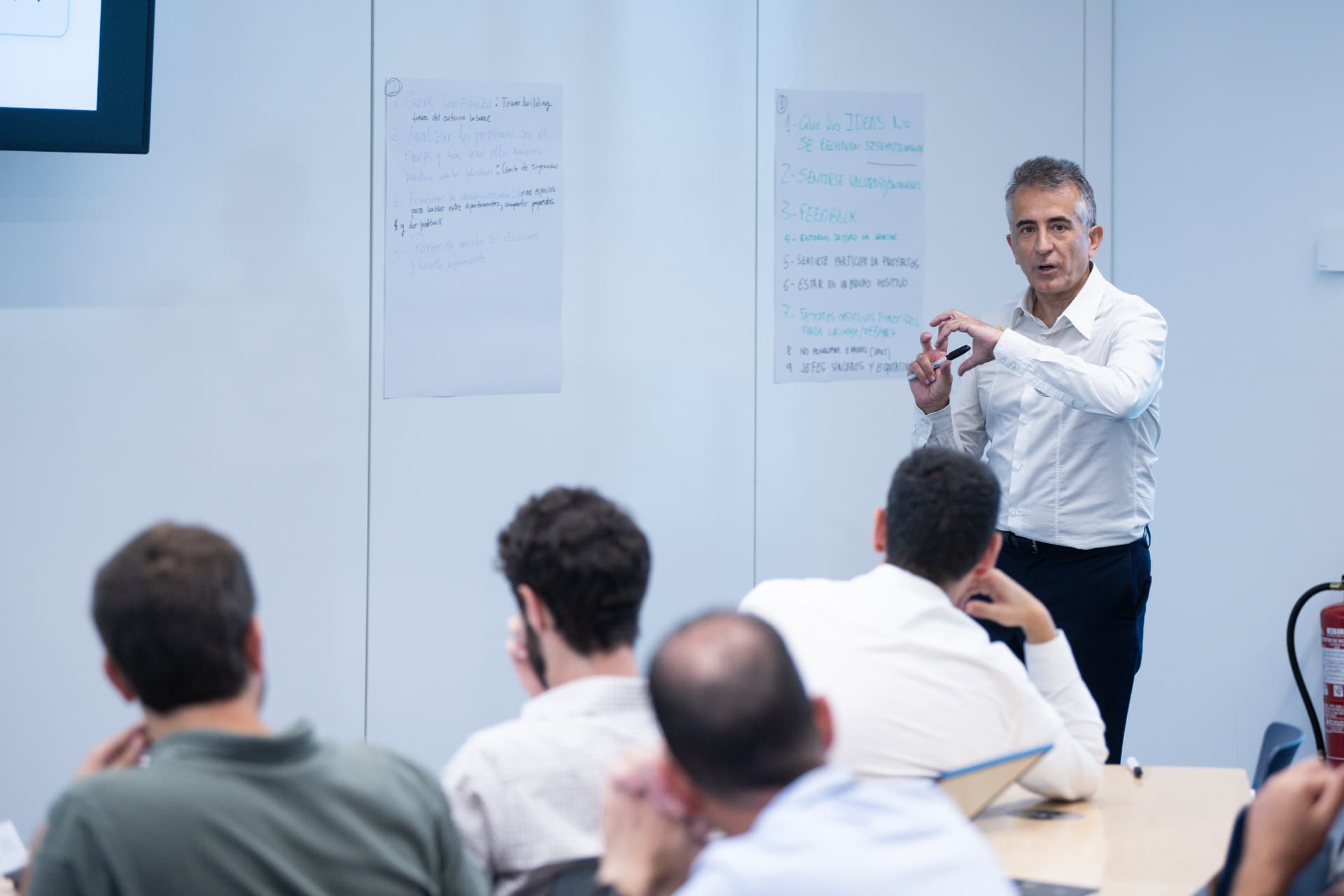
An interactive session on the psychological mechanisms that hold back participation, creativity and commitment across organisations.
An executive keynote for leadership teams and senior forums: how leaders build — or erode — their team’s psychological safety.


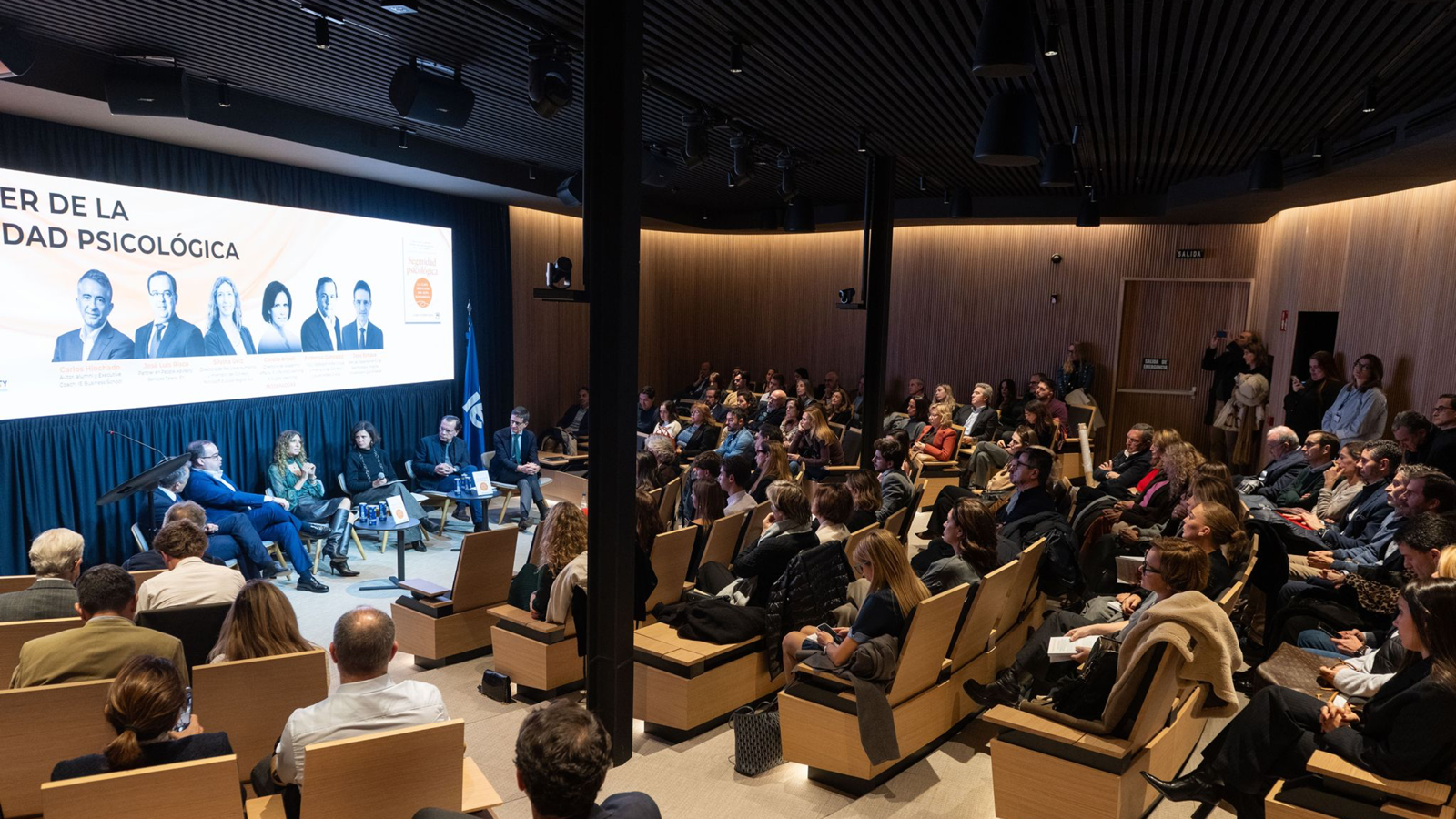
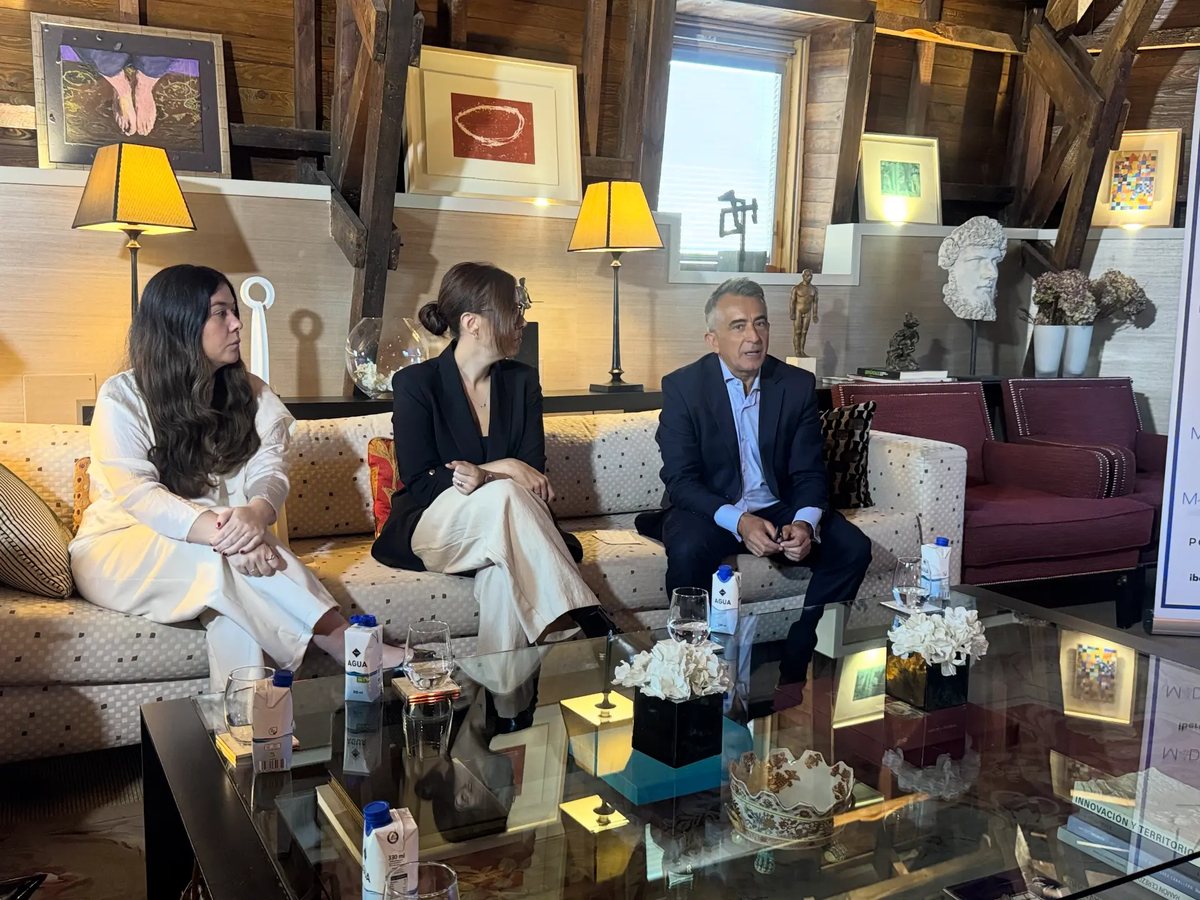
Book launch · IE University · December 2025 · With panellists from Microsoft, EY, Accenture, Aernnova, Radisson and Quirónsalud
Training
A compact format for teams that need a fast, practical immersion in psychological safety. Ideal for team days or corporate events.
An extended format with a prior team assessment, experiential exercises, real cases and a personalised action plan for each participant.
Learning approach
Experiential learning
Real business cases
Pre-session alignment with the team leader
Closing report and follow-up
Services
Measuring psychological safety in teams and organisations with validated tools.
Consulting retainers, executive coaching and 6- to 12-month transformation programmes.
Design and implementation of psychological safety strategies aligned with business goals.
Facilitation of offsites, team retreats and working sessions for leadership teams.
The full picture
Each phase can be booked on its own or as part of a comprehensive programme tailored to your organisation’s needs.
Keynote
Inspire and raise awareness
Assessment
Measure the reality
Training
Equip the team
Ongoing support
Sustain the change

The book
The first book in Spanish to take a comprehensive look at psychological safety for leaders and organisations. Published by LID Editorial in 2025, with a foreword by Carola Arbolí (IE University).
From the neuroscience of fear to the practical tools that reshape a team’s culture — with real cases, applied research and an actionable framework for leaders who want sustainable results.
Coverage
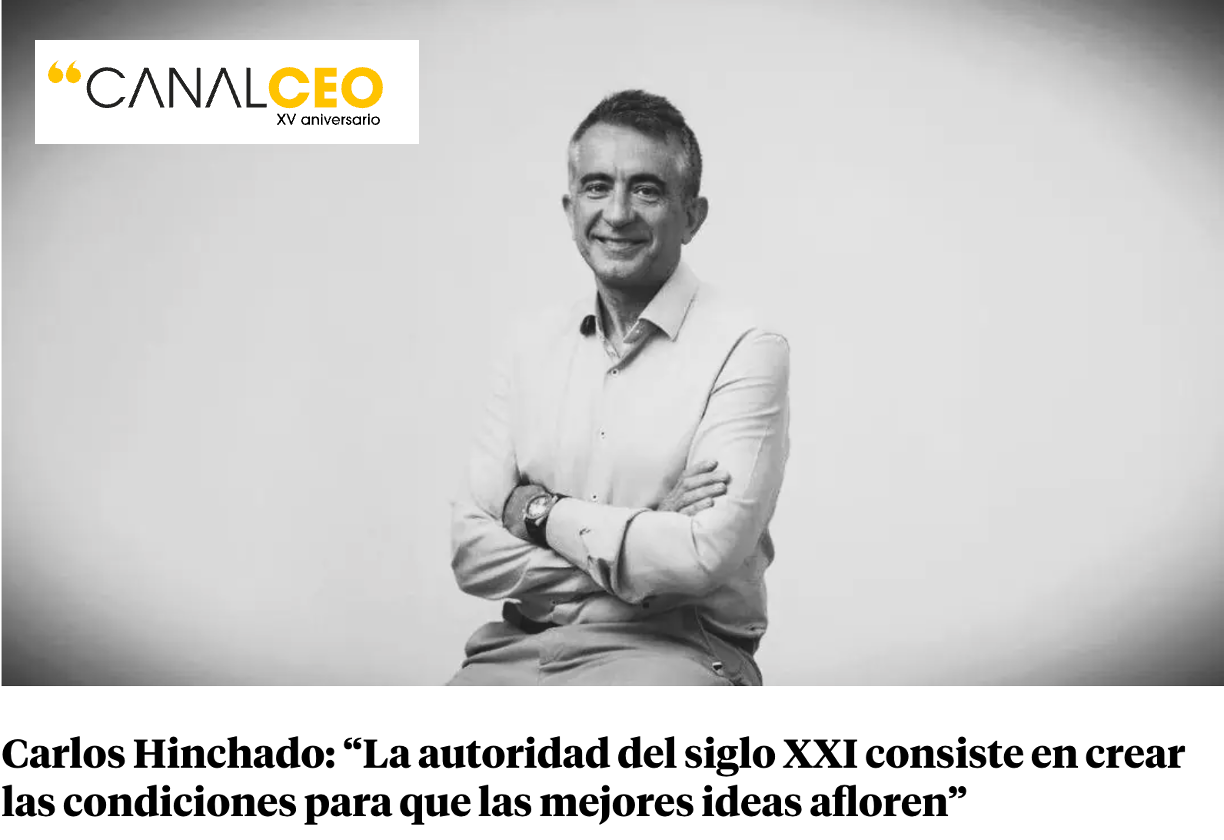
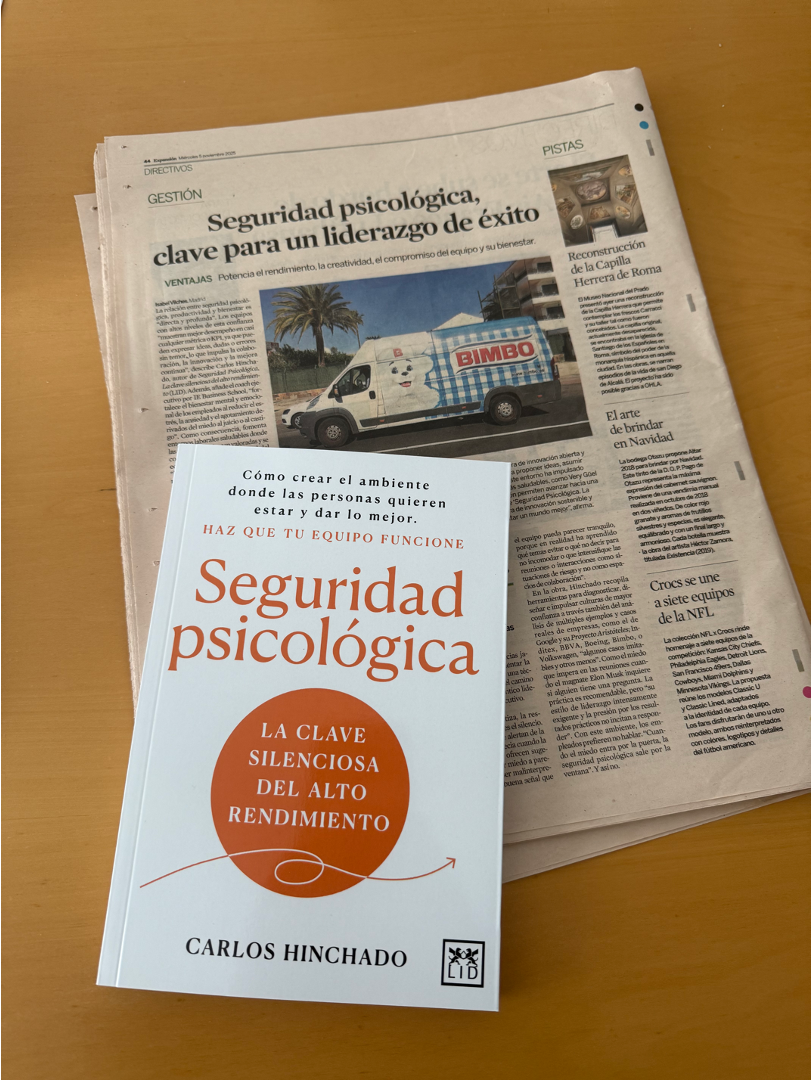
16 media outlets · LID Editorial press kit 2025
Monthly column
A monthly article on psychological safety, leadership and high performance in one of Spain’s leading publications on wellbeing and business. Originals in Spanish; summaries in English.

Seven questions to start measuring your team’s psychological safety and to understand what the results hide beyond the average.
Read summaryPrevious columns

When people stay quiet to protect themselves, the organisation stops hearing the truth while there is still time to act. The starting point for everything psychological safety stands for.
Read summary
A pleasant atmosphere is not psychological safety. A comfortable team has learned what to keep quiet; a psychologically safe team has learned that it can tell the truth.
Read summary
Project Aristotle concluded that what makes teams great is not who is on them but the climate they work in. A decade later, few companies act on it.
Read summary
Interrupting, correcting in public or half-listening: small gestures from a well-meaning manager can teach a team that it is safer to stay quiet.
Read summary
Inclusion, learning, contribution and challenge: Timothy Clark’s four stages help explain what a team needs before you ask it for more initiative.
Read summaryNew article every month · See all articles (in Spanish)
Watch
Interviews and on-stage moments on psychological safety, leadership and high performance.
An in-depth conversation on why psychological safety has become the silent driver of high performance, and what leaders can do to unlock it in their teams.
Watch the full interview on YouTubeVoices
"Carlos has the rare ability to turn complex concepts into practical tools that transform the way teams work together."
Carlos Portela
National Director of Operations, OXXO
"This book fills a significant gap in Spanish-language management literature. Rigorous, practical and deeply human."
Cynthia Fernández Lázaro
Director, IE Editorial Knowledge
"After working with Carlos, psychological safety went from an abstract concept to a strategic priority for our leadership team."
Francisco Quesada
Regional Director Switzerland & Austria, Zscaler
"An essential book for any leader who wants to understand why their best people stay silent — and what to do about it."
Javier Alemán
Partner, Qualitas Funds
"Carlos combines scientific evidence with an extraordinary sensitivity to human dynamics in organisations."
Unai Viscarret
Director of People and Communication, IKERLAN
"Carlos’s methodology helped us identify patterns of organisational silence that had been costing us talent and results for years."
Gustavo Zuluaga
Executive Vice President, La Nacional de Ahorros y Préstamos
"A work that should be required reading in every executive education programme. Conceptual clarity and immediate applicability."
Carlos Martí Sanchis
Professor, Barna Management School
"Employees no longer complain — they leave."
— Carlos Hinchado

Qualitas Funds
Private Equity
IKERLAN
Technology Centre
La Nacional
Financial Services
OXXO
Retail
Zscaler
Cybersecurity
Coloplast
Medtech
Fresenius
Healthcare
Syngenta
Agritech
Boston Scientific
Medtech

Let’s talk
If you are exploring how psychological safety could transform your organisation, let’s talk. Sessions in English or Spanish. Every engagement begins with a conversation.
Carlos Hinchado · Navitas for Change